

Clinical translation research theme
We aim to understand why some people with low back pain do not recover and develop chronic low back pain. Low back pain is the leading cause of disability in the world, with more than 568 million people affected by it. Over a quarter of Australians report low back pain at any one time and it costs the Australian health system over $9 billion each year.
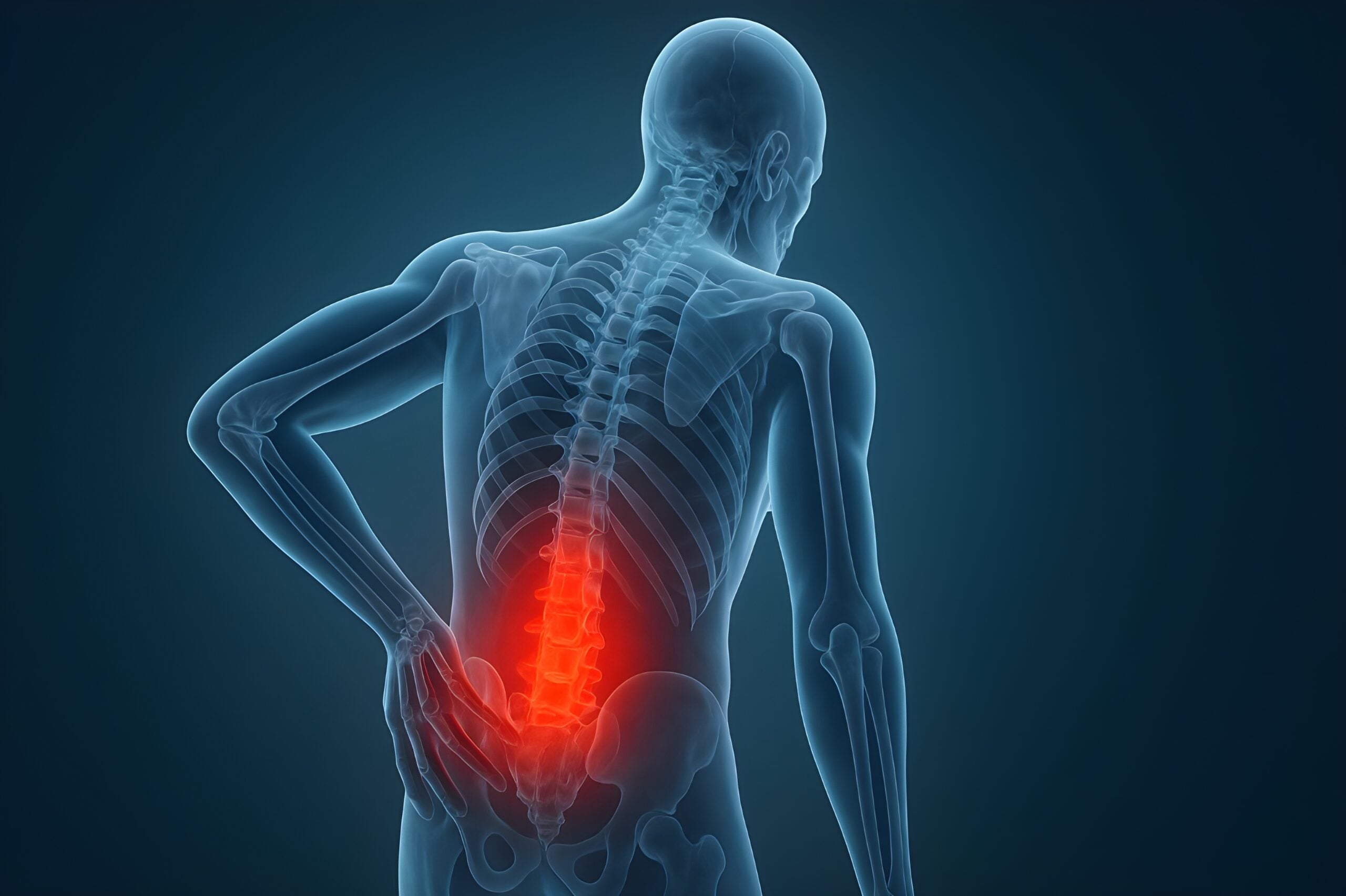
NOTUS is a government-funded clinical trial evaluating two digitally delivered interventions designed to support people with chronic back pain. The interventions aim to help participants better understand treatment options, reduce pain, and improve physical function. This trial is delivered entirely online and is self-paced.

Adults with chronic low back pain are 30% less likely to meet physical activity guidelines compared to those without pain and are thus more likely to develop chronic disease. The aim of the CAPACITY trial is to test whether an intervention comprised of tailored pain education and patient-led goal setting helps adults with chronic low back pain increase physical activity and reduce blood pressure. CAPACITY is conducted via Telehealth, allowing for Australia-wide recruitment of eligible participants.

Advances in understanding how chronic low back pain develops and is maintained have led to promising new treatments like graded sensorimotor retraining, which helps people understand and experience that movement is safe and beneficial and can support long‑term improvement. The RESOLVE‑D trial will test whether this approach, delivered in routine primary care physiotherapy and exercise physiology clinics, works better than standard care.

Clinical translation research theme
Complex Regional Pain Syndrome (CRPS) is a chronic pain disorder that usually affects a single arm or leg following an injury or surgery. People with CRPS feel severe pain in their affected limb, together with swelling, changes to temperature, colour, hair, skin and nail growth, and stiffness and weakness. CRPS affects approximately 5,000 people in Australia annually and currently, there are no treatments whose efficacy is supported by high-quality evidence.

There are few effective treatments to manage the symptoms of CRPS. The MEMOIR trial is testing whether a medication and a rehabilitation program can reduce pain and improve function in people with CRPS. MEMOIR is conducted via Telehealth, allowing for Australia-wide recruitment of eligible participants.

Clinical translation research theme
Many people who have a limb amputation report that they can still feel their limb or have pain in the limb that is no longer there. Having pain in the limb that is no longer there is called phantom limb pain. Phantom limb pain is a debilitating condition that affects up to 87% of people with an amputation. Currently, there are no interventions that provide meaningful pain relief for people with phantom limb pain.

The TITAN trial will investigate two potentially effective non-drug treatments for phantom limb pain. Participants will be randomised to receive either a progressive rehabilitation program or stimulation device program. TITAN, a definitive clinical trial of a promising new intervention, will provide meaningful change to the management of phantom limb pain. TITAN is conducted via Telehealth, allowing for Australia-wide recruitment of eligible participants.

Clinical translation research theme
Beyond the debilitating physical experience of chronic pain, mental health disorders are a common occurrence. Clinical depression is reported in around 54% of people with chronic pain, 35% experience anxiety, and around 20% fulfil the criteria for posttraumatic stress disorder (PTSD). We believe that this happens because your brain has changed its function to cope with pain signals. What we want to do is retrain your brain to reduce pain and improve mental health.

Pain and Emotion Therapy is a 9 to 12-week psychological intervention, involving eight 60 to 90 minute sessions over the internet using Zoom, and daily training using a web app to watch videos and complete tasks on a smart phone. Participation also means completing a series of questionnaires, before and after the therapy, six and 12 months later, meaning that the trial will be completed in approximately 12 months.

This clinical trial will evaluate the efficacy of Pain and Emotion Therapy in reducing chronic low back pain. This trial extends Pain and Emotion Therapy, combining emotion regulation skills training, pain and movement-based education to address both the physical and emotional aspects of chronic low back pain. This trial is group-based, to be digitally delivered, and will involve attending nine weekly therapy sessions, and practicing skills using a handbook and mobile app.
