

Brain technology research theme
Neuroimaging refers to a set of advanced techniques used to create images of the brain’s structure and its activity. Instead of looking at the brain as a static organ, these tools allow researchers to see how it functions in real-time and how its physical shape relates to our mental and physical health. Our team includes experts in electroencephalography (EEG) and magnetic resonance imaging (MRI), with many ongoing trials using these technologies.
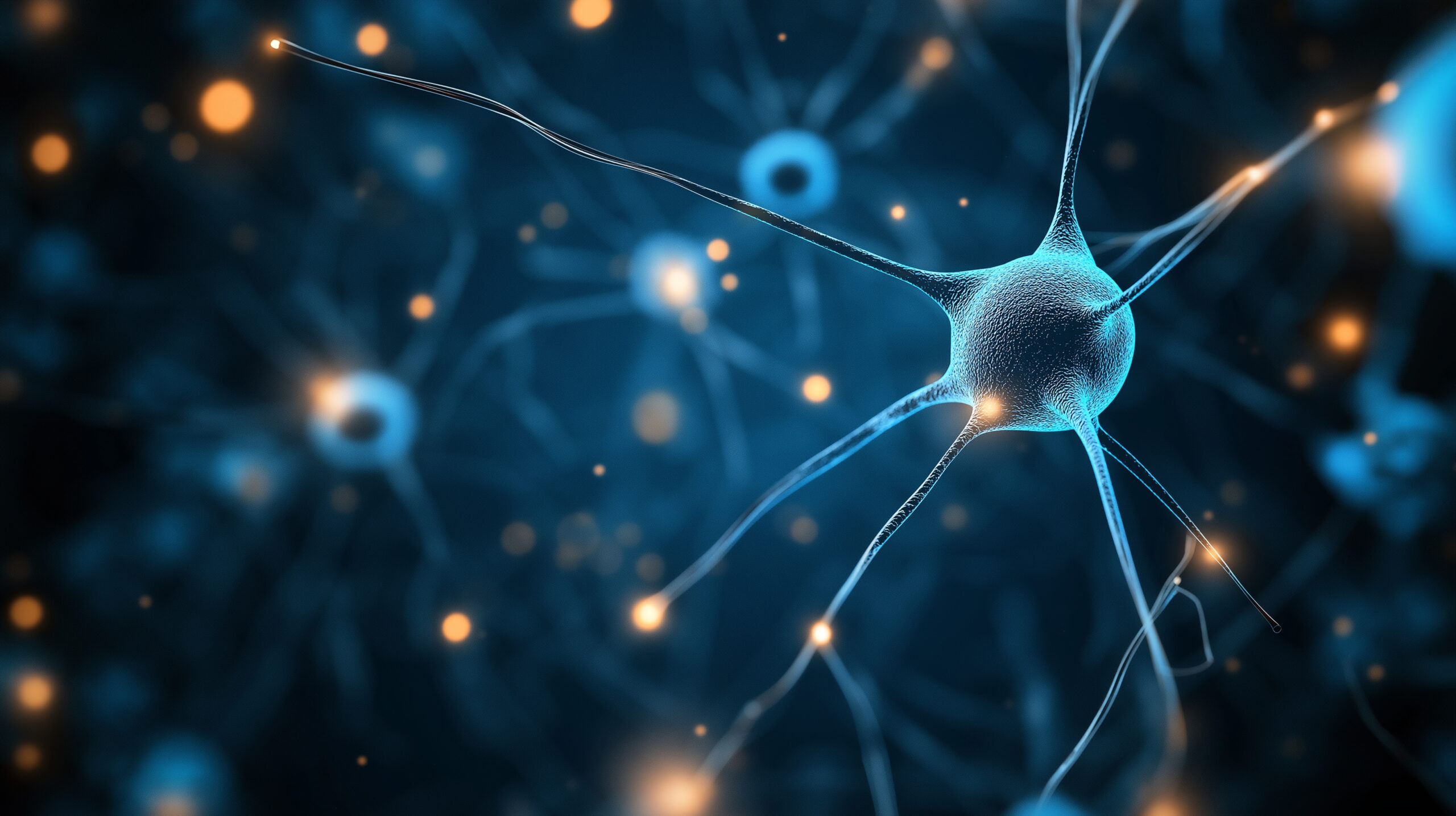
In this study, we aim to use non-invasive brain stimulation methods to measure and induce neuroplasticity in individuals with a spinal cord injury. Gaining insight into how the brain reorganises itself after a spinal cord injury will enable us to develop better treatments for people after SCI.

Brain technology research theme
While neuroimaging allows us to see the brain, neurofeedback and brain stimulation allow us to interact with it. These techniques are used to help “retune” brain activity, aiming to reduce symptoms of chronic pain, anxiety, and depression by encouraging healthier patterns of function. Our team leads cutting edge research in neurofeedback with an in-house designed system that has shown promising results for the management of chronic pain. In terms of stimulation we focus on non-invasive avenues such as, transcranial magnetic stimulation (TMS) and transcranial direct current stimulation (tDCS) to explore how the brain responds to pain.
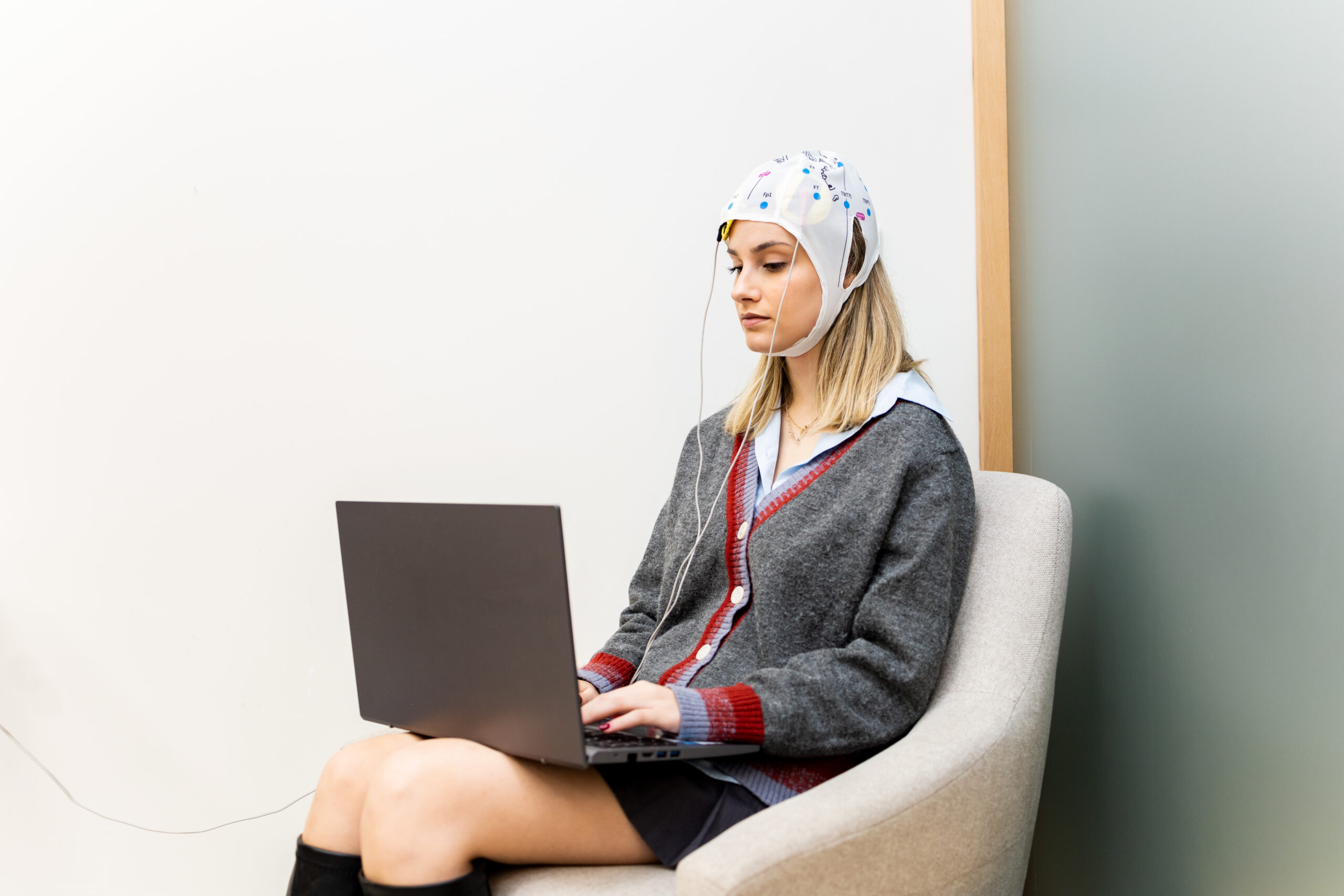
We are running an Australia-wide clinical trial to find out whether two safe non-invasive techniques can help reduce neuropathic pain in people living with spinal cord injury. What is the trial testing? This trial is exploring two innovative, drug-free techniques designed to retrain the brain’s pain-processing networks: EEG neurofeedback – a method that uses real-time feedback from your brainwaves to help you learn to regulate your brain activity. The goal is to reduce the abnormal brain patterns linked to chronic nerve pain. Transcranial direct current stimulation (tDCS) – a gentle, painless technique that applies a low-level electrical current to specific areas of the scalp. This may help change how the brain responds to pain signals.
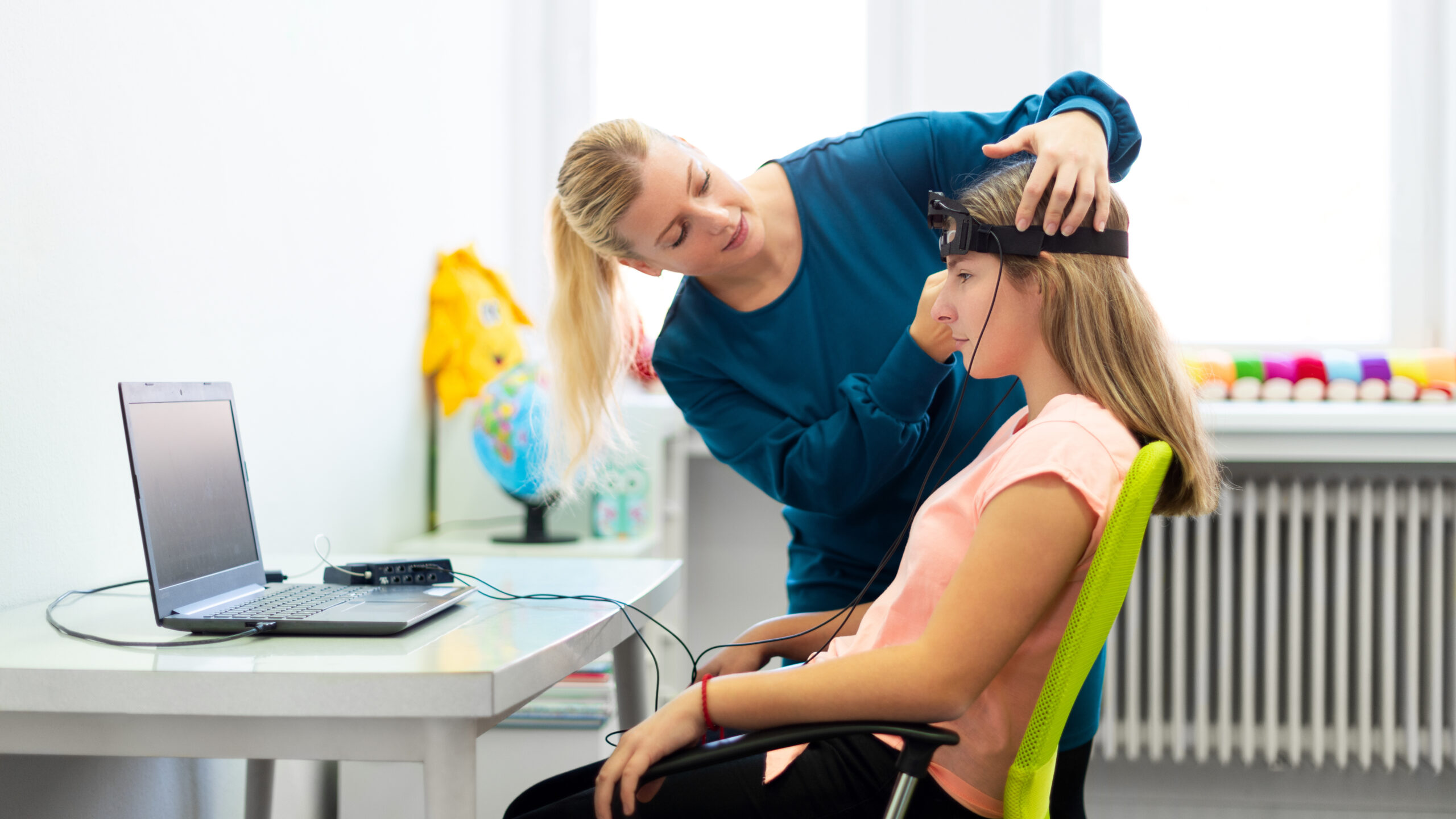
This research study aims to test whether EEG neurofeedback can reduce chronic low back pain. By interacting with a computer game while wearing an EEG headset to record your brain activity, we will trial whether people with chronic low back pain can learn to gain control over their brain activity in a way that reduces their pain.

Brain technology research theme
Virtual reality (VR) uses specialised headsets to transport individuals into a completely digital, 3D world. In our research, we combine a haptic foot device and VR with spinal cord injury participants to help them restore their sensation of touch.
The study aims to determine if interacting with a virtual reality walking game while simultaneously applying light pressure on the soles of each foot can help restore, or promote, sensation in adults with thoracic spinal cord injuries.
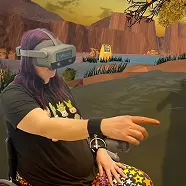
The study aims to determine if interacting with a virtual reality walking game while simultaneously applying light pressure on the soles of each foot along with non-invasive transcutaneous spinal cord neuromodulation to the spine can help restore sensation in adults with spinal cord injury.
