
Titan
TITAN is an Australian government-funded randomised clinical trial testing two non-drug treatments aimed at reducing phantom limb pain and its interference with day-to-day function.
Currently recruiting Check your eligibility
Overview

Professor James McAuley
Principal Investigator
What is being studied
TITAN is an Australian government-funded randomised clinical trial testing two non-drug treatments aimed at reducing phantom limb pain and its interference with day-to-day function.
About the trial
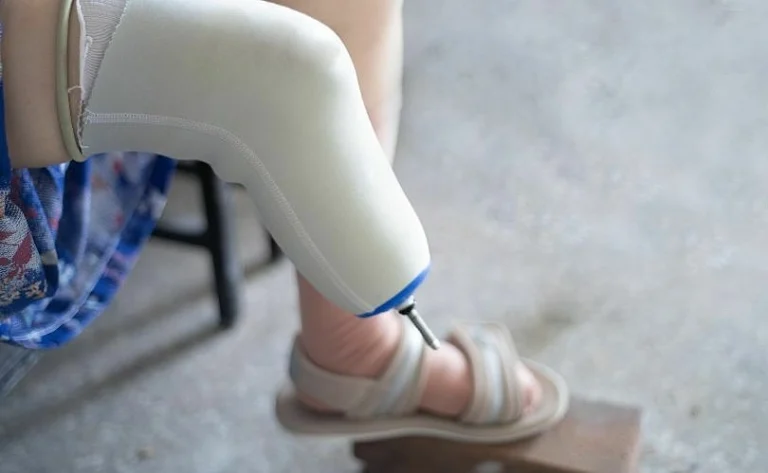
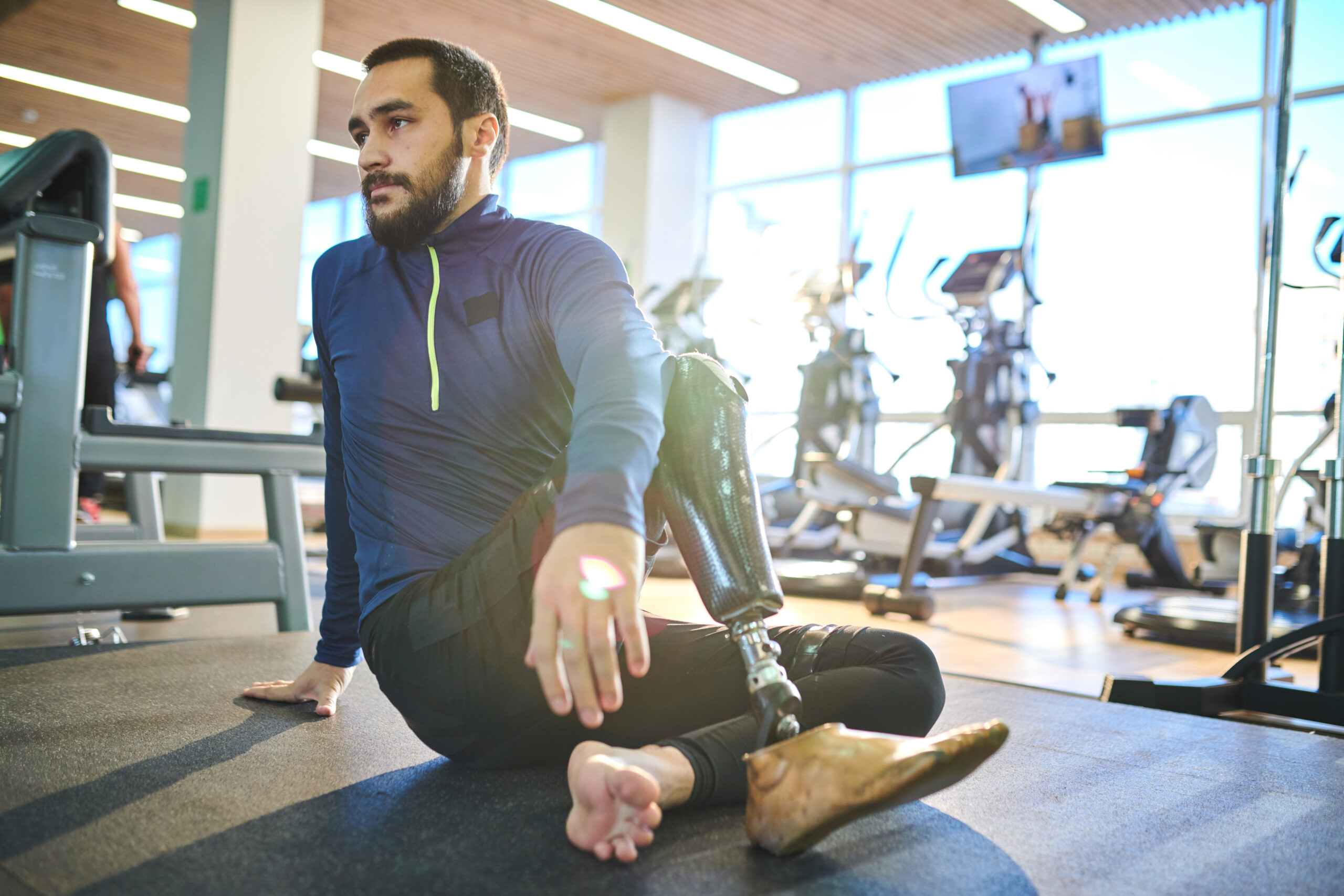
Phantom limb pain is the perception of pain or discomfort in a limb that is no longer there. It affects approximately 80% of people within the first year after undergoing an amputation. There are currently no proven treatments that provide meaningful pain relief for people with phantom limb pain.
Participation
What does participation involve (post-screening):
- Group allocation: Eligible participants are randomly assigned to one of two treatment groups:
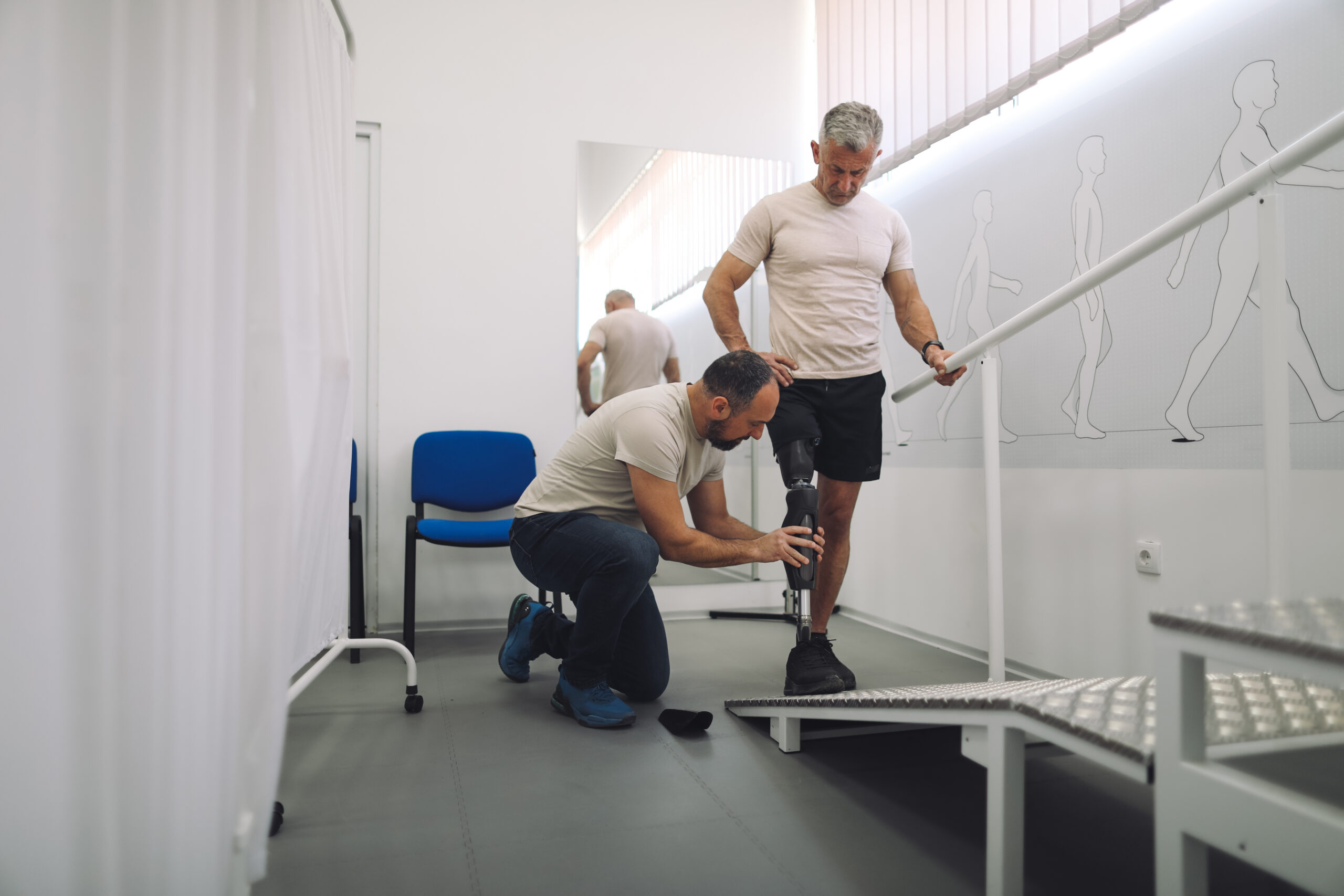
- Rehabilitation Program: Graded Motor Imagery, Pain Science Education, Sensory discrimination training
- Stimulation Device Program: Modified Transcutaneous Electrical Nerve Stimulation, Cranial Electrical Stimulation
- Duration: 12-week treatment with 12-month follow-up
Delivery
Online
Treatment duration
12-week treatment with 12-month follow-up
Age/eligibility
Adults over the age of 18 years with: single-limb amputation; an episode of phantom limb pain in the past week; access to a smart device and the internet.
Number of participants
208
Location
Margarete Ainsworth Building
Barker Street
Randwick NSW 2031
Study team























FAQs
No, the treatments that we are investigating in this trial are only applicable to individuals with a limb amputation.
No, the treatment and material required to engage in the trial are completely covered by the trial. There is also no requirement for travel as the treatment is delivered in the comfort of your own home.
The two interventions we are testing are non-drug treatments. One is a stimulation device program, and the other is a progressive rehabilitation program. As this is a randomised clinical trial, the two treatments are randomly assigned to participants and we cannot choose which treatment you receive.
The TITAN trial has a significant online aspect including the use of Telehealth services such as Zoom, email, online questionnaires, and other online resources.