

Professor
Sylvia Gustin
Director
Current Appointments
- Co-Director, Centre for Pain IMPACT, Neuroscience Research Australia (NeuRA)
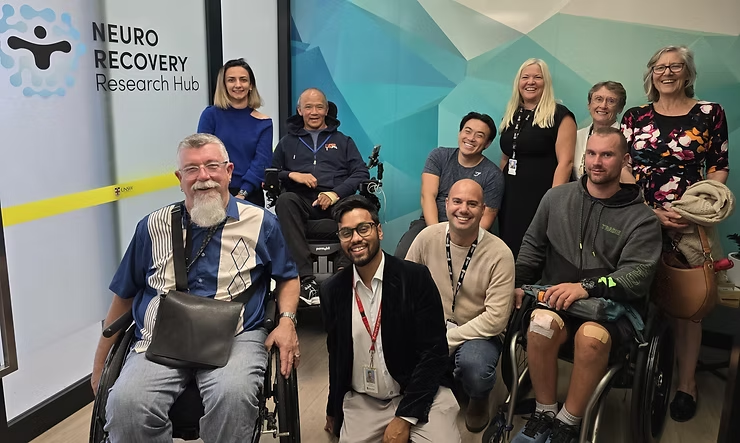
- Director, NeuroRecovery Research Hub, UNSW Sydney
- Rebecca L. Cooper Senior Research Fellow
- Chair, ENIGMA Chronic Pain Global Working Group
 s.gustin@unsw.edu.au
  Google Scholar
 Education/Qualifications
2006: PhD in Psychology, University of Tübingen, Germany
MPsych
BPsych
Biography
Professor Sylvia Gustin is an internationally recognised neuroscientist and psychologist whose work bridges basic neuroscience and clinical innovation in chronic pain and spinal cord injury. She is Co-Director of the Centre for Pain IMPACT at Neuroscience Research Australia (NeuRA), Senior Principal Research Scientist at NeuRA, and Director of the NeuroRecovery Research Hub at UNSW Sydney. She is the Rebecca L. Cooper Senior Research Fellow and Chair of the ENIGMA Chronic Pain Global Working Group, the world’s largest neuroimaging consortium dedicated to chronic pain.
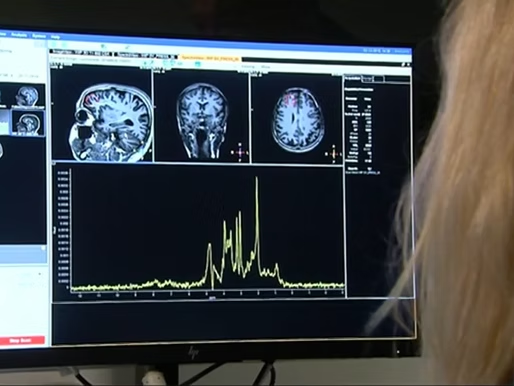
Professor Gustin completed her PhD in Psychology at the University of Tübingen in 2006 before immigrating to Australia in 2007. Over the past 25 years, she has pioneered the use of advanced functional, structural, and biochemical MRI to uncover central and psychological mechanisms underlying chronic pain and spinal cord injury. She is also an AHPRA-registered psychologist with clinical expertise in chronic pain and mental health disorders.
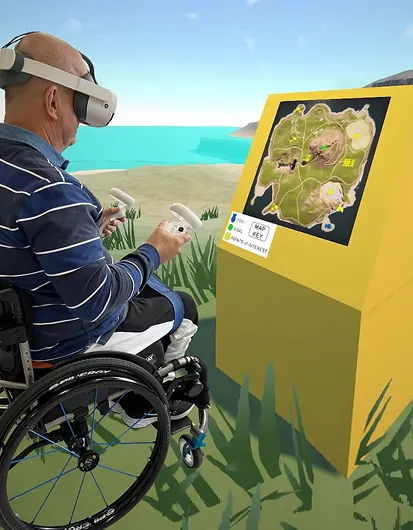
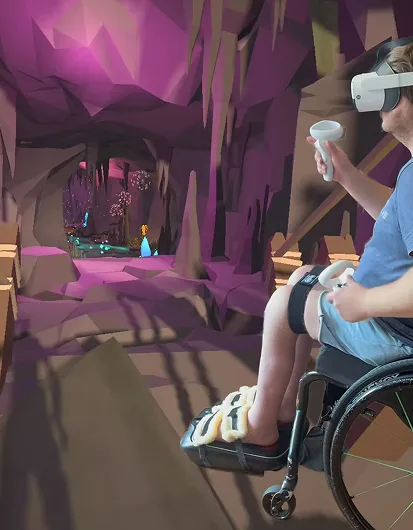
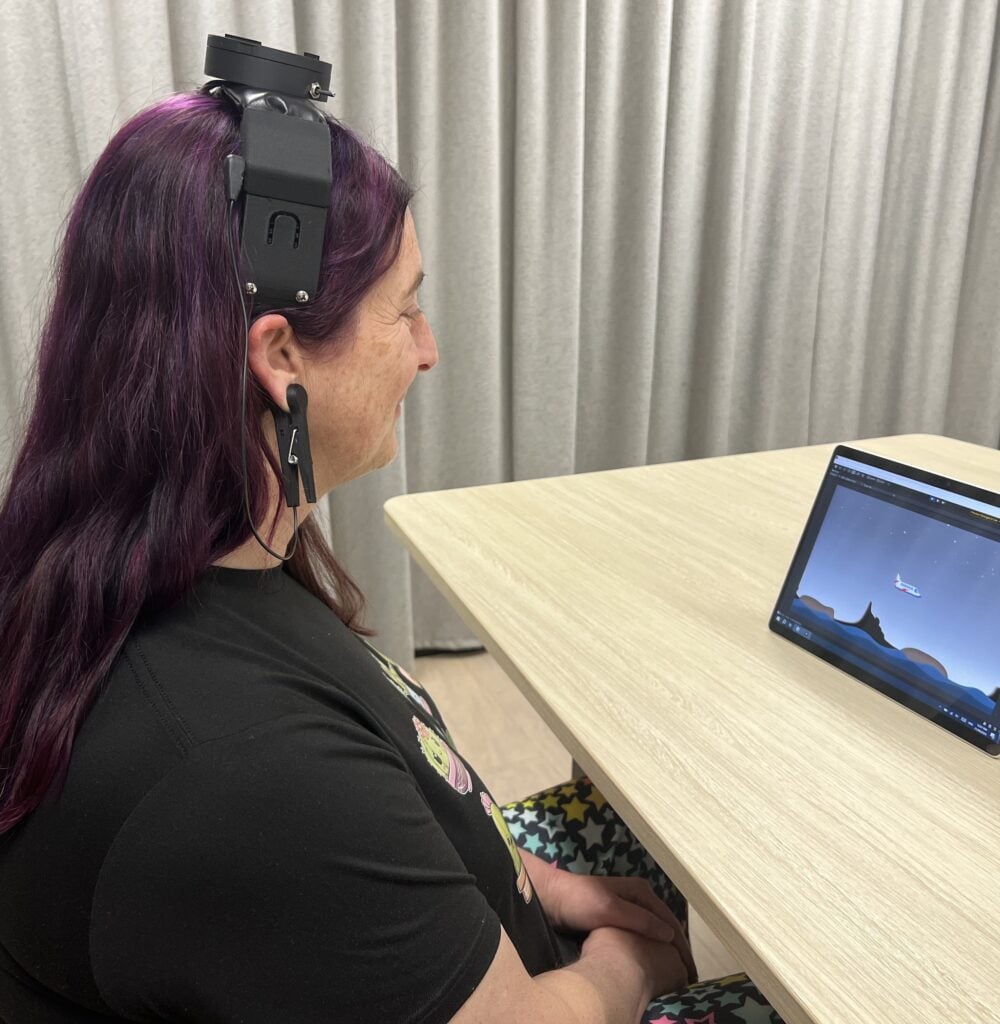
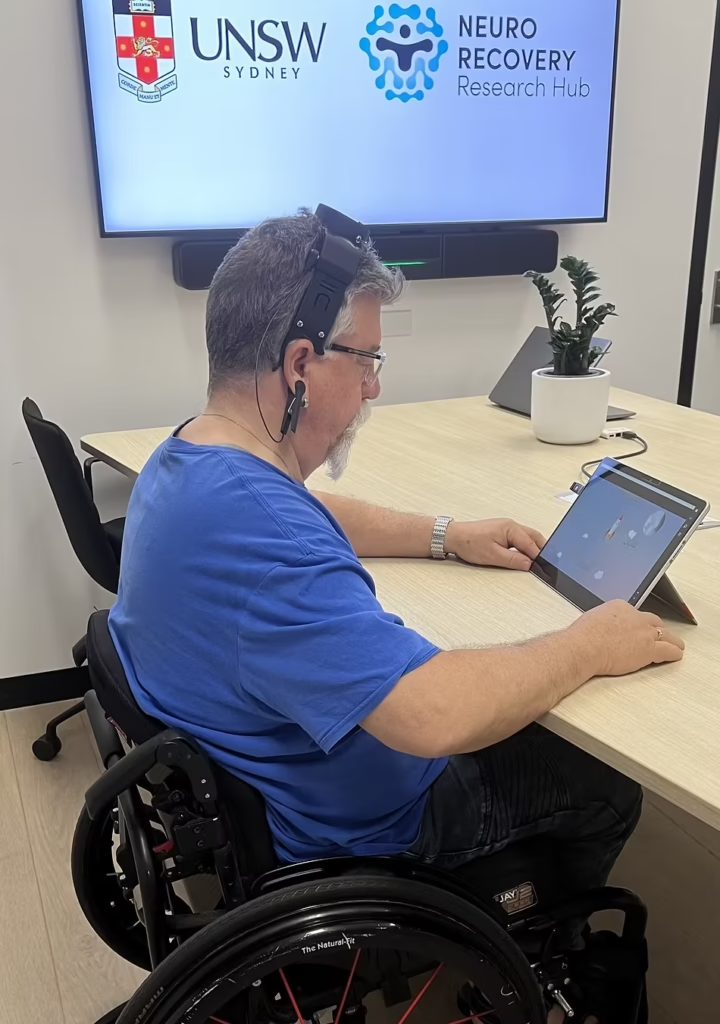
Her research follows a translational pipeline in which discoveries in brain mechanisms inform the design of innovative therapeutic interventions. She has led development and clinical testing of Virtual Reality Walking Therapy, gamified Brain Computer Interface Neuromodulation (BCI-N), and transcutaneous electrical neurostimulation approaches. Her team also pioneers haptic virtual reality systems aimed at restoring somatosensory perception in individuals with spinal cord injury previously classified as having complete sensorimotor loss.
Her research has been continuously funded by major national and international agencies including NHMRC, MRFF, Rebecca L. Cooper Medical Research Foundation, International Association for the Study of Pain, US Department of Defense, Wings for Life, NSW Defence Innovation Network, and NSW Health.
Research Themes
- Brain Technology-Based Interventions
- Neuroimaging
- Neurofeedback
- Virtual Reality
- Neurostimulation
- Clinical Translation
- Chronic Pain & Emotion Therapy
- Chronic Pain & Mental Health
Research Outputs
1. Norman-Nott et al., 2025. Stress-Related Brain Alterations in Chronic Pain. Eur J Pain. 29(6):e70034. doi: 10.1002/ejp.70034. PMCID: PMC12063716.
2. Norman-Nott et al., 2025. Online Dialectical Behavioral Therapy for Emotion Dysregulation in People With Chronic Pain: A Randomized Clinical Trial. JAMA Netw Open. 8(5):e256908. doi: 10.1001/jamanetworkopen.2025.6908. PMCID: PMC12056567.
3. Hesam-Shariati et al., 2024. ENIGMA-Chronic Pain: A worldwide initiative to identify brain correlates of chronic pain. Pain. 165(12):2662–2666. doi: 10.1097/j.pain.0000000000003317. PMCID: PMC11562752.
4. Quidé et al., 2024. Childhood trauma moderates schizotypy-related brain morphology: Analyses of 1182 healthy individuals from the ENIGMA Schizotypy Working Group. Psychol Med. 54(6):1215–1227. doi: 10.1017/S0033291723003045. PMID: 37859592.
5. Norman-Nott et al., 2024. Emotion regulation skills-focused interventions for chronic pain: A systematic review and meta-analysis. Eur J Pain. 28:1276–1293. doi: 10.1002/ejp.268.